
Maternity Payment Cut Takes Effect

The Medical Assistance cut in fee-for-service inpatient payments for the care of normal newborns took effect on June 1.
According to the Department of Public Welfare (DPW), the payment reduction brings Pennsylvania into line with what other states’ Medicaid programs pay for such care.  According to hospital industry representatives, Pennsylvania hospitals still lose money on Medicaid deliveries and now will lose more.
This policy will be especially damaging to Pennsylvania’s safety-net hospitals.  Although only one-third of the state’s acute-care hospitals, safety-net hospitals perform two-thirds of all Medicaid deliveries according to the March 2012 report “Pennsylvania’s Safety-Net Hospitals:  Vital Providers, Vital Employers” prepared by the Safety-Net Association of Pennsylvania.
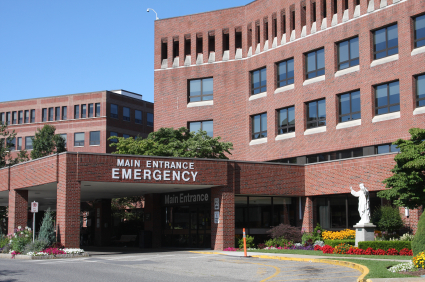
Read more about the state’s new policies, how it will affect hospitals, and how hospitals are responding to it in this Pittsburgh Post-Gazette articleHospital building.
2012-06-06T06:00:00+00:00June 6th, 2012|Pennsylvania Medicaid policy, Safety-Net Association of Pennsylvania|Comments Off on Maternity Payment Cut Takes Effect

Readmissions and Poverty

At a time when Medicare and many state Medicaid programs are attempting to penalize hospitals when patients are readmitted shortly after they were discharged, researchers have found that some of those readmissions are linked to factors beyond hospitals’ control.
According to research presented recently at the American Heart Association’s Quality of Care & Outcomes Research Scientific Sessions 2012, differences in regional readmission rates are more closely tied to socioeconomic factors and access to care than they are to hospitals’ performance.
Researchers found that nine percent of regional variation in hospital readmission rates can be tied to patients’ poverty.  Access to care, based on the availability of doctors and hospital beds, can be tied to 17 percent of regional variation in readmission rates.
The Safety-Net Association of Pennsylvania (SNAP) has long maintained that the low-income patients safety-net hospitals serve in especially large numbers come to them fundamentally sicker than typical hospital patients and require more resources and more effort to treat.  This research appears to support this contention.
Read more about the research in this news releaseHospital building from the American Hospital Association.

2012-05-14T09:25:32+00:00May 14th, 2012|Safety-Net Association of Pennsylvania|Comments Off on Readmissions and Poverty
Go to Top