
PA Says No to Medicaid Block Grants
Pennsylvania is not interested in pursuing the new Medicaid block grants being offered by the administration, leading state officials said last week.
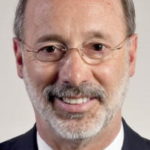 In a news release, Governor Wolf said that
I expanded Medicaid in Pennsylvania to allow for more than 700,000 people to have reliable health care access. Pennsylvania will not go backwards. I will not risk jeopardizing our progress by going along with another short-sighted, insensitive plan to cut Medicaid…
Department of Human Services Secretary Teresa Miller, who oversees the Pennsylvania Medicaid program that serves approximately 2.8 million people, echoed this sentiment:
Changing any part of Medicaid to a block grant structure is the federal government permitting states to grow health inequities experienced by the poorest Americans. This cruel policy will directly target people who have the most opportunity to see their life and circumstances improved by consistent access to necessary health care and will keep people trapped in the cycle of poverty.
Learn more about why Pennsylvania will not pursue a Medicaid block grant in the Wolf administration news release “Pennsylvania Will Not Participate in Trump Administration Scheme to Cut Medicaid.”
 Included in this month’s edition are articles about:
 Authorization for delaying the cut in allotments to the states, which would have resulted in reduced Medicaid DSH payments for many hospitals – including private safety-net hospitals – would expire on May 22. Congress is expected to address Medicaid DSH, along with surprise medical bills, the price of prescription drugs, and other health care matters, before that time.
 While DHS’s area of endeavor is broad and goes beyond health care, Medicaid is an important aspect of its work and that importance is reflected in the plan, which includes descriptions of DHS’s ambitions in the following areas:
 As reported by Kaiser Health News,
 The Department of Human Services bulletin outlines the purpose of the new PDL, provides background information, and describes how the PDL was developed and will work. In addition, it lists the past Medical Assistance Bulletins rendered obsolete by the new bulletin and describes the prior authorization procedures that will be employed when the new program takes effect on January 1, 2020.
 Earlier this year, the Department of Human Services announced its intention to implement a preferred drug list in the state’s Medicaid program. That PDL would apply to both the fee for service and managed care Medicaid programs.
 Today, Lyft is working with approximately 35 state Medicaid programs while Uber, at least so far, participates only in Arizona’s program.
 In the message, SNAP notes the important role Medicaid DSH payments play in helping private safety-net hospitals care for the many uninsured patients who continue to turn to them for care.