SNAPShots

SNAPShots

SNAP Seeks Help From End-of-Year Federal Legislation

Eliminate Medicaid disproportionate share hospital cuts (Medicaid DSH), appropriate additional resources for the Provider Relief Fund, and extend the current suspension of the two percent sequestration of Medicare spending, the Safety-Net Association of Pennsylvania asked members of Pennsylvania’s congressional delegation in a letter SNAP sent earlier this week.

Safety-Net Association of Pennsylvania logoThe request comes as Congress returns to Washington to take up the funding of the federal government at a time when authorization for spending under a continuing resolution ends on December 11.  In addition to addressing federal funding, Congress also may consider COVID-19 legislation.

Learn more from SNAP’s letter to Pennsylvania’s congressional delegation.

2020-11-19T06:00:26+00:00November 19th, 2020|COVID-19, DSH hospitals, Federal Medicaid issues, Safety-Net Association of Pennsylvania|Comments Off on SNAP Seeks Help From End-of-Year Federal Legislation

MACPAC Meets

The Medicaid and CHIP Payment and Access Commission met for two days last week in Washington, D.C.

The following is MACPAC’s own summary of the sessions.

The October 2020 MACPAC meeting opened with a panel discussion on restarting Medicaid eligibility redeterminations when the public health emergency ends.  It included Jennifer Wagner, director of Medicaid eligibility and enrollment at the Center on Budget and Policy Priorities; René Mollow, deputy director for health care benefits and eligibility at the California Department of Health Care Services; and Lee Guice, director of policy and operations at the Department for Medicaid Services, Kentucky Cabinet for Health and Family Services.
After a break, Commissioners heard a panel discussion with Kevin Prindiville, executive director at Justice in Aging; Mark Miller, executive vice president of healthcare at Arnold Ventures; and Charlene Frizzera, senior advisor at Leavitt Partners, on creating a new program for dually eligible beneficiaries. Later, staff presented preliminary findings from a mandated report on non-emergency medical transportation. The day concluded with a report on nursing facility acuity adjustment methods.

On Friday, the day began with a session on access to mental health services for adults in Medicaid. It was followed by a related panel discussion on mental health services with Sandra Wilkniss, director of complex care policy and senior fellow at Families USA; Melisa Byrd, senior deputy director for the District of Columbia Department of Health Care Finance; and Dorn Schuffman, director of the CCBHC Demonstration Project at the Missouri Department of Mental Health.

Next, the Commission considered the merits of extending Medicaid coverage for pregnant women beyond 60 days postpartum. Staff then provided an update on a statutorily required analysis of disproportionate share hospital (DSH) allotments, as well as an analysis of addressing high-cost drugs and the challenges they present to Medicaid.

The meeting concluded with comment on the Secretary’s report to Congress on Reducing Barriers to Furnishing Substance Use Disorder (SUD) Services Using Telehealth and Remote Patient Monitoring for Pediatric Populations under Medicaid. The Commission decided to send a letter to Congress and the Secretary commenting on this report.

Supporting the discussion were the following briefing papers:

  1. Mandated Report on Non-Emergency Medical Transportation: Work Plan and Preliminary Findings
  2. Changes in Nursing Facility Acuity Adjustment Methods
  3. Access to Mental Health Services for Adults in Medicaid
  4. Considerations in Extending Postpartum Coverage
  5. Required Annual Analysis of Disproportionate Share Hospital (DSH) Allotments
  6. Addressing High-Cost Drugs and Pipeline Analysis
  7. Comment on Secretary’s Report to Congress on Reducing Barriers to Substance Use Disorder Services Using Telehealth for Pediatric Populations under Medicaid

Because they serve so many Medicaid and CHIP patients – more than the typical hospital – MACPAC’s deliberations are especially important to Pennsylvania safety-net hospitals.

MACPAC is a non-partisan legislative branch agency that provides policy and data analysis and makes recommendations to Congress, the Secretary of the U.S. Department  of Health and Human Services, and the states on a wide variety of issues affecting Medicaid and the State Children’s Health Insurance Program.  Find its web site  here.

2020-11-17T15:00:47+00:00November 5th, 2020|Federal Medicaid issues, Pennsylvania safety-net hospitals|Comments Off on MACPAC Meets

Congress Gives Hospitals Medicaid DSH Relief

Medicaid DSH allocations to states will not be reduced right away thanks to a new continuing resolution to fund the federal government through December 11.

The Medicare disproportionate share allocation cuts to the states, mandated by the Affordable Care Act but delayed by Congress several times, were delayed again earlier this year but scheduled to take effect on November 11.  With the latest continuing resolution, the cuts will be delayed yet another month.

SNAP worked hard to encourage Congress to include the Medicaid DSH delay in the continuing resolution, doing so most recently in this September 14 letter to members of Pennsylvania’s congressional delegation.  Medicaid DSH payments are an important tool in helping Pennsylvania safety-net hospitals serve their predominantly low-income communities, so SNAP also is urging Congress to eliminate the Medicaid DSH cut entirely.

Learn more about the delay of Medicaid DSH cuts and other aspects of the continuing resolution that affect hospitals in the Healthcare Dive article “Providers win Medicare loan extension, DSH relief but lose other asks in stop-gap spending law.”

2020-10-08T13:00:02+00:00October 8th, 2020|Federal Medicaid issues, Medicaid supplemental payments|Comments Off on Congress Gives Hospitals Medicaid DSH Relief

MFAR is Dead

At least for now.

The controversial Medicaid Fiscal Accountability Regulation, slated for implementation this fall over the objections of many health care stakeholders, will not move forward at this time.

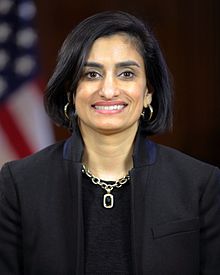
In a tweet earlier this week, Centers for Medicare & Medicaid Services Administrator Seema Verma wrote that


We’ve listened closely to concerns that have been raised by our state and provider partners about potential unintended consequences of the proposed rule, which require further study.  Therefore, CMS is withdrawing the rule from the regulatory agenda.

If implemented, opponents maintained, the regulation would have:

  • Deprived states of important, established policy-making prerogatives.
  • Created major new administrative burdens for state governments and hospitals.
  • Inappropriately regulated financing of the state share of Medicaid spending.
  • Introduced new, unspecified standards for state Medicaid programs.

While CMS maintained that MFAR would have enhanced the transparency of state Medicaid programs, the rule’s opponents maintained that it could lead to a major reduction of resources for serving the Medicaid population.

SNAP was among those opponents, arguing that the regulation could have hurt Pennsylvania safety-net hospitals and others that serve low-income communities by inappropriately regulating how states can finance their Medicaid programs.  CMS proposed the rule last November; SNAP submitted formal comments expressing its opposition in January; and SNAP rallied Pennsylvania’s congressional delegation to oppose the rule in February, March, and July.

It is worth noting that in “withdrawing the rule from the regulatory agenda,” Verma did not preclude the possibility of reintroducing MFAR at some point in the future.

Learn more from article “Trump administration backing off Medicaid rule that states warned would lead to cuts” in the online publication The Hill.

CMS Provides Guidance on Medicaid DSH Calculations

State Medicaid program accounting for hospital uncompensated care when calculating hospital-specific Medicaid disproportionate share limits is the subject of new guidance from the Centers for Medicare & Medicaid Services.

In the guidance, the Centers for Medicare & Medicaid Services explains that because of several court rulings, states can decide for themselves whether to offset third-party payer payments from costs in their Medicaid DSH calculations for periods prior to June 2, 2017 but that beginning with that date,  CMS will enforce its own interpretation of the policy.

In new guidance, CMS presents two methodologies for accounting for its mid-year policy change and reminds stakeholders about its new methodology for calculations after June 2, 2017. Pennsylvania’s Department of Human Services and its Office of Medical Assistance Programs have not yet indicated how they will respond to the options CMS has presented.

Learn more from this Medicaid notice and from its accompanying CMS informational bulletin “Treatment of Third Party Payers (TPP) in Calculating Uncompensated Care Costs (UCC).”

2020-08-31T19:55:39+00:00August 27th, 2020|Federal Medicaid issues, Pennsylvania Medicaid, Pennsylvania Medicaid policy|Comments Off on CMS Provides Guidance on Medicaid DSH Calculations

SNAP Asks PA Senators for COVID-19 Help

Pennsylvania’s safety-net hospitals need help with the challenges posed by the COVID-19 public health emergency, SNAP wrote yesterday in a letter to Pennsylvania senators Pat Toomey and Bob Casey.

Safety-Net Association of Pennsylvania logoIn its letter, SNAP asked the senators to advocate:

  • An additional $100 billion for hospitals.
  • Forgiveness for money provided to hospitals through the federal CARES Act’s Accelerated and Advance Payment Program.
  • An increase in the federal Medicaid matching rate (FMAP).
  • An increase in states’ Medicaid disproportionate share (Medicaid DSH) allotments and a delay in the scheduled implementation of Medicaid DSH allotment cuts to the states.
  • Action to prevent implementation of the Medicaid fiscal accountability regulation.
  • A moratorium on changes in hospital eligibility for the 340B prescription drug discount program, Medicare indirect medical education program, Medicare disproportionate share (Medicare DSH) program, and other programs.

See SNAP’s letter here.

COVID-19 Update: March 31, 2020

Coronavirus Update: March 31, 2020.

COVID-19-related developments in Pennsylvania as of 4:00 p.m. on Tuesday, March 31.  To receive this daily update directly, sign up for our mailing list at info@pasafetynet.org.

State Update

Governor Wolf                                                                                                     

Today, Governor Wolf announced that the President approved part of his request for a major disaster declaration to support state, county, and local responses to COVID-19.  Included in the approved requests are reimbursement of up to 75 percent of eligible expenses (staff overtime, supplies, equipment) related to COVID-19 response for all levels of state government and private non-profits that qualify and direct federal assistance for materials and supplies to state and local governments.  Staff from the Pennsylvania Emergency Management Agency will be contacting potential applicants in the coming weeks.

The governor also expanded his ‘Stay at Home’ order to include seven more counties to mitigate the spread of the virus:  Cameron, Crawford, Forest, Franklin, Lawrence, Lebanon, and Somerset counties until April 30 for all 33 affected counties.

State Daily COVID-19 Briefing

  • There are now positive cases of COVID-19 in 60 of Pennsylvania’s 67 counties.
  • Five percent of the total 4,843 cases are affected health care workers while fewer than one percent are nursing home-related.
  • The administration continues to monitor the impact of the virus on New York and to prepare Pennsylvania for the expected surge of positive cases by stockpiling supplies, providing regulatory relief for health care professionals, seeking health care volunteers, and monitoring the availability of ICU and nursing home beds throughout the state.
  • About 40 percent of the licensed ICU beds in the state are still unoccupied.  The Department of Health continues to monitor the availability of ventilators as well.

Department of Health

The Department of Health released interim guidance on licensing and survey activities consistent with the guidance issued by CMS calling for states to prioritize provider survey and certification activities during the pandemic.

DOH also shared a guidance document from CMS, counseling state surveyors on how providers can limit the transmission of the virus and a CMS memo specifically related tor limiting the spread within dialysis facilities.

Department of Human Services, Office of Children Youth and Families

The Office of Children, Youth, and Families (OCYF) has developed these linked recommendations for entities operating as a Child Residential and Day Treatment Facility.

Department of Human Services, Office of Mental Health and Substance Abuse Services

The Office of Mental Health and Substance Abuse Services (OMHSAS) issued guidance for County Emergency Behavioral Health/Disaster Crisis Outreach and Referral Teams.  That guidance can be found here.

In addition, the office shared documents from the Center for the Study of Traumatic Stress related to the psychological effects of quarantine.  One for helping homebound children, one directed at Public Health leaders, and one directed at health care providers.

Yesterday the federal Centers for Medicare & Medicaid Services (CMS) published a major update of Medicare and Medicaid regulations that included blanket waivers of a large number of Medicare and Medicaid regulations and requirements.  The following is a summary of the major aspects of this new regulation.

Federal Update

New Policies and Waivers From Medicare and Medicaid Regulations and Requirements

CMS has introduced dozens of changes that involve waivers from current regulations and requirements.  A comprehensive, 26-page CMS document describing these changes can be found here and below are the highlights organized into four broad categories:

  • increasing hospital capacity (what CMS calls “hospitals without walls”)
  • expanding the health care workforce
  • increasing the use of telehealth in Medicare
  • reducing paperwork

Increasing Hospital Capacity

  • CMS is waiving the enforcement of section 1867(a) of EMTALA to permit hospitals to screen patients at off-site locations to help prevent the spread of COVID-19.
  • CMS is waiving certain requirements under the Medicare conditions of participation allow for flexibilities during hospital and psychiatric hospital surges, permitting non-hospital buildings/space to be used for patient care and quarantine sites.
  • For the duration of the public health emergency, CMS is waiving certain requirements under the Medicare conditions of participation and the provider-based department requirements to permit hospitals to establish and operate as part of the hospital any location meeting those conditions of participation for hospitals that continue to apply during the public health emergency. This waiver also permits hospitals to change the status of their current provider-based department locations to the extent necessary to address the needs of hospital patients.
  • CMS is waiving requirements to permit acute-care hospitals to house acute-care inpatients in excluded distinct part units, such as excluded distinct part unit inpatient rehabilitation facilities or inpatient psychiatric facilities, where the distinct part unit’s beds are appropriate for acute-care inpatients.
  • CMS is permitting acute-care hospitals with excluded distinct part inpatient psychiatric units to relocate inpatients from the excluded distinct part psychiatric unit to acute-care beds and units as a result of a disaster or emergency.
  • CMS is permitting acute-care hospitals with excluded distinct part inpatient rehabilitation units that, as a result of a disaster or emergency, need to relocate inpatients from the excluded distinct part rehabilitation unit to an acute-care bed and unit.
  • CMS is waiving certain physical environment requirements. Provided that the state has approved the location as one that sufficiently addresses safety and comfort for patients and staff, CMS is waiving requirements to allow for a non-skilled nursing facility building to be temporarily certified and available for use by a skilled nursing facility in the event there are needs for isolation processes for COVID-19-positive residents, which may not be feasible in the existing skilled nursing facility structure to ensure care and services during treatment for COVID-19 are available while protecting other vulnerable adults.
  • CMS is waiving certain conditions of participation and certification requirements for opening a nursing facility if the state determines there is a need to quickly stand up a temporary COVID-19 isolation and treatment location.
  • CMS is waiving requirements to temporarily allow for rooms in a long-term care facility not normally used as a resident’s room to be used to accommodate beds and residents for resident care in emergencies and situations needed to help with surge capacity.

Expanding the Health Care Workforce

  • CMS is waiving current requirements to permit physicians whose privileges will expire to continue practicing at the hospital and for new physicians to be able to practice before full medical staff/governing body review and approval to address workforce concerns related to COVID-19.  CMS also is waiving requirements about details of the credentialing and privileging process.

  • CMS is waiving the requirement that Medicare patients be under the care of a physician.
  • CMS is waiving requirements that a certified registered nurse anesthetist (CRNA) work under the supervision of a physician. CRNA supervision will be at the discretion of the hospital and state law.
  • CMS is waiving the requirement that a skilled nursing facility and nursing facility may not employ anyone for longer than four months unless they meet current training and certification requirements. CMS is not waiving the requirement that such facilities ensure that nurse aides are able to demonstrate competency in skills and techniques necessary to care for residents’ needs.
  • CMS is waiving the requirement that physicians and non-physician practitioners must perform in-person visits for nursing home residents and will permit visits to be conducted, as appropriate, via telehealth options.

  • CMS is temporarily waiving requirements that out-of-state practitioners be licensed in the state where they are providing services when they are licensed in another state. CMS will waive the physician or non-physician practitioner licensing requirements when the following four conditions are met:
    • must be enrolled as such in the Medicare program;
    • must possess a valid license to practice in the state which relates to his or her Medicare enrollment;
    • is furnishing services – whether in person or via telehealth – in a state in which the emergency is occurring to contribute to relief efforts in his or her professional capacity; and,
    • is not affirmatively excluded from practice in the state or any other state that is part of the 1135 emergency area.
    • This does not have the effect of waiving state or local licensure requirements or any requirement specified by the state or a local government as a condition for waiving its licensure requirements.
  • CMS has a toll-free hotline for physicians and non-physician practitioners and Part A-certified providers and suppliers establishing isolation facilities to enroll and receive temporary Medicare billing privileges. CMS is waiving the following screening requirements:
    • application fee,
    • criminal background checks associated with fingerprint-based criminal background checks,
    • site visits,
    • postpone all revalidation actions,
    • allow licensed providers to render services outside of their state of enrollment,
    • expedite any pending or new applications from providers,
    • allow physicians and other practitioners to render telehealth services from their home without reporting their home address on their Medicare enrollment while continuing to bill from their currently enrolled location, and
    • allow opted-out physicians and non-physician practitioners to terminate their opt-out status early and enroll in Medicare to provide care to more patients.
  • CMS has issued blanket waivers of sanctions under the Stark Act.  The blanket waivers may be used now without notifying CMS.  Individual waivers of sanctions under section 1877(g) of the Act may be granted upon request.  For more information, go here and here.

Increasing the Use of Telehealth in Medicare

  • CMS is waiving the requirement that physicians and non-physician practitioners must perform in-person visits for nursing home residents and will permit visits to be conducted, as appropriate, via telehealth options.
  • Clinicians can provide virtual check-in services to new and established patients.
  • CMS will pay for telephone evaluation and management services provided by physicians and the same services provided by qualified non-physician health care providers. These services may be used for telephone-only evaluation and management services.
  • Licensed clinical social workers, clinical psychologists, physical therapists, occupational therapists, and speech language pathologists can perform e-visits via telehealth.
  • Limits have been lifted for subsequent inpatient visits, subsequent skilled nursing visits, and critical care consult codes.
  • Physicians may provide supervision virtually using real-time audio/visual technology for services that require direct supervision by a physician or other type of practitioner.
  • For additional information on new flexibilities in the use of telehealth for Medicare patients, go here.

Reducing Paperwork

  • CMS is waiving various requirements that limit and define the use and documentation of verbal orders in a hospital.
  • CMS is waiving reporting requirements when patients who have passed away required soft restraints prior to their death.  If restraints were a factor in the death, the usual reporting requirements apply.
  • CMS is waiving the current requirements for providing “detailed information” in discharge planning as long as discharging hospitals continue to provide the data patients and their families need to make decisions about appropriate post-acute care.  This does not waive the requirement that patients have all of the necessary medical information they need for their post-acute setting.
  • While maintaining the discharge planning requirements that ensure that patients are discharged to an appropriate setting with the necessary medical information, CMS is waiving some of the specific components of discharge information acute-care hospitals are ordinarily required to provide.
  • CMS is waiving requirements involving the organization and staffing of medical records departments and requirements for the form and content of medical records and is allowing for flexibility in completion of medical records within 30 days following discharge from a hospital.
  • CMS is waiving the requirements for hospitals to provide information about their advance directive policies to patients.
  • CMS is waiving the requirement that hospitals participating in Medicare and Medicaid must have a utilization review plan that meets specified requirements. CMS is waiving the entire utilization review condition of participation.
  • CMS is waiving – for “surge facilities” only – the requirement that the emergency services function operate according to written policies and procedures during surge periods.
  • CMS is waiving the requirement that hospital emergency preparedness policies and procedures include specified elements for the emergency preparedness communication plans of hospitals when a hospital is a surge site.
  • CMS is waiving requirements for hospital quality assessment and performance improvement programs that address the scope of the program, the incorporation and setting of priorities for the program’s performance improvement activities, and integrated quality assurance and performance improvement programs. The requirement that hospitals maintain an effective, ongoing, hospital-wide, data-driven quality assessment and performance improvement program remains.
  • CMS is waiving the requirement that providers must have a current therapeutic diet manual approved by the dietitian and medical staff readily available to all medical, nursing, and food service personnel. Such manuals would not need to be maintained at surge capacity sites.
  • CMS is waiving the requirement for nursing staffs to develop and keep current a nursing care plan for each patient and to have policies and procedures in place establishing which outpatient departments are not required to have a registered nurse present.
  • Completed 2019 Occupational Mix Surveys, Hospital Reporting Form CMS-10079, for the Wage Index Beginning FY 2022, are due to the Medicare Administrative Contractors (MACs). CMS is granting an extension for hospitals nationwide affected by COVID-19 until August 3, 2020.
  • CMS is waiving requirements that govern pre-admission screening and annual resident review (PASARR) to permit states and nursing homes to suspend these assessments for new residents for 30 days. After 30 days, new patients admitted to nursing homes with a mental illness or intellectual disability should receive the assessment as soon as resources become available.
  • CMS is waiving many paperwork requirements for home health agencies, skilled nursing facilities, nursing facilities, end-stage renal dialysis facilities, home health agencies, and hospices. Find those changes here (pages 9-16).
  • Medicare Administrative Contractors (MACs) and Qualified Independent Contractors (QICs) in the fee-for-service program may allow extensions to file an appeal. CMS is allowing MACs and QICs in the fee-for-service program and the MA and Part D independent review entities (IREs) to:
    • waive requests for timeliness requirements for additional information to adjudicate appeals;
    • process appeals even with incomplete appointment of representation forms;
    • process requests for appeals that do not meet the required elements using information that is available; and
    • use all flexibilities available in the appeal process if good cause requirements are satisfied.

Others

  • CMS offers stakeholders examples of section 1135 waivers available to individual providers.  Find those examples here beginning on page 23.
  • CMS is waiving certain patient rights involving copies of medical records, patient visitation limits, and quarantine processes in states that have had more than 50 confirmed COVID-19 cases.

For further information:

To learn more about these changes, you may wish to consult the following resources:

The following is the latest information from the administration and federal regulators as of 4:30 today.

The White House

President Trump has issued a presidential memorandum to the Secretary of Defense and the Secretary of Homeland Security authorizing the use of the National Guard to provide COVID-19-related services to the states of Connecticut, Illinois, Massachusetts, and Michigan, with the federal government to pay 100 percent of the cost of such a deployment.  The federal assumption of 100 percent of this cost expires in 30 days.

Centers for Medicare & Medicaid Services

Department of Health and Human Services

The Department of Health and Human Services has posted a news release in which it outlines the steps it has taken and will be taking to accelerate clinical trials for possible COVID-19 vaccines and to prepare for the manufacture of approved vaccines.

U.S. Public Health Service

The U.S. Public Health Service has issued a letter on optimizing ventilator use during the COVID-19 pandemic.

Food and Drug Administration

Resources to Consult

Pennsylvania Department of Human Services

Main COVID-19 Page

COVID-19 Provider Resources

Press Releases

Pennsylvania Department of Health

Main COVID-19 Page

Centers for Disease Control and Prevention

Main COVID-19 Page

FAQ

To receive this daily update directly, sign up for our mailing list at info@pasafetynet.org.

2020-03-31T20:58:06+00:00March 31st, 2020|Coronavirus, COVID-19, Federal Medicaid issues, Medicare|Comments Off on COVID-19 Update: March 31, 2020

COVID-19 Update: March 24, 2020

The following is a summary of the major COVID-19-related developments in Pennsylvania as of 4:45 today.

For your convenience, copies of our daily updates are also posted to the SNAP Blog available here.

State Updates

The State Legislature

House Chamber of the State HouseThe legislature continues to deliberate on a number of measures to respond to the COVID-19 crisis.  Among the issues being discussed between the administration and legislature are:

  • Declaring a public health emergency and providing funding to respond to the crisis.
  • Advancing telemedicine legislation.
  • Amending the rules of unemployment compensation during an emergency declaration such as easing work search requirements and extending the length of time that benefits are available.
  • Providing assistance to small businesses and non-profits through the Pennsylvania Industrial Development Authority.
  • Amending the state’s election code to move the primary election to June 2.
  • Amending the school code to protect employees and address various changes in state education requirements.

Department of Health Daily Briefing

Department of Health (DOH) Secretary Rachel Levine, M.D., provided her daily COVID-19 briefing.  She reported that the number of cases in the state is doubling every two to three days and she expects the pandemic to spread to additional rural counties.

The state is sharing personal protective equipment and ventilators with providers as providers request them and its stock is being replenished by the federal government.  Despite this, the state continues to seek to purchase more N-95 masks and ventilators.

Direct caregivers, she warned, cannot use homemade masks.  They are not effective.

Turnaround time for COVID-19 testing in the state lab and most hospital labs is 24 hours.  The major commercial testing companies are experiencing a backlog.

Health care personnel are being given priority for COVID-19 testing but only if they show symptoms.

While the state is discussing adapting facilities for post-acute care and other COVID-19-related purposes, Secretary Levine said she thinks it is unlikely the state would reopen Hahnemann Hospital.

People with chronic medical conditions such as lupus are starting to report trouble getting drugs like chloroquine and hydroxychloroquine because of unsubstantiated suggestions that they can help fight COVID-19.  The Department of Health and Department of Human Services are talking to pharmacies about this and working to ensure access for patients who need these drugs for medically approved purposes.

The state is not prepared to consider easing its stay-in-place and non-essential business closure orders at this time.

Department of Human Services

The Department of Human Services (DHS), Office of Child Development and Early Learning has issued two documents.  The first is titled “Infant Toddler Early Intervention Procedures during COVID-19 pandemic” and it describes how early intervention services can be delivered while face-to-face interactions are limited during the COVID-19 crisis.  See the document here.

The second addresses child care program closures, waivers for child care programs to remain open, safety recommendations, and resources for workers who lose their jobs because of facility closures.  Find that document here.

Home Care, Home Health, and Hospice Document Recirculated

On March 21, DOH published COVID-19 emergency response information for home care agencies, home health care agencies, and hospices.  Today, in an effort to broaden the reach of that document, DHS shared it via its long-term care listservs.

Federal Updates

Centers for Medicare & Medicaid Services

CMS issued an FAQ explaining requirements for and distribution of the 6.2% enhanced FMAP stipulated in the Families First Coronavirus Response Act.  States should expect to see their first payments no later than tomorrow.  The document explains that the enhanced FMAP doesn’t apply to expansion population, though it does apply to DSH.  It will flow through to the CHIP enhanced FMAP calculation but not in equal percentage point values for all states and the 100% cap on matching remains in effect. States will not need to submit a state plan amendment in order to receive the funding.  The complete guidance document is available here.

Late yesterday the Centers for Medicare & Medicaid Services’ (CMS) Center for Clinical Standards and Quality/Quality Safety & Oversight Group issued a 28-page memo to state survey agency directors on the subject of prioritization of survey activities.  During the three-week period following the March 13 declaration of a national emergency, state survey agencies are to have as their priorities complaint/facility-reported incident surveys, targeted infection control surveys, and self-assessments.  They are not authorized to perform surveys on long-term-care facilities, hospitals, home health agencies, intermediate care facilities for individuals with intellectual disabilities, and hospices.  See the CMS guidance letter.

CMS also has issued 11 more section 1135 Medicaid waivers.  They are summarized in a CMS news release.

Health Resources and Services Administration

Today the Department of Health and Human Services’ (HHS) Health Resources and Services Administration (HRSA) awarded $100 million in grants to 1381 health centers to address screening and testing needs, purchase medical supplies, and boost capacity in response to the COVID-19 crisis.  See an HHS news release here.

National Institutes of Health

The NIH is launching training for health care workers who interact with COVID-19 patients.  The worker-based program will include a web site with training resources.  Learn more from an NIH news release that describes the new initiative.

Food and Drug Administration

The FDA has updated its FAQ on diagnostic testing with new information for providers having trouble obtaining viral transport media.  Read it here.

The FDA also has issued a safety alert addressing the use of fecal microbiota for transplantation and additional safety protections involving COVID-19 and SARS-CoV-2.  Find it here.

Centers for Disease Control and Prevention

The CDC has issued new guidance to state and local agencies and service providers on working with their homeless population.  Find it here.

FEMA

The Federal Emergency Management Agency (FEMA) has updated its COVID-19 pandemic advisory.  See the updated advisory here.

Resources to Consult

Pennsylvania Department of Human Services

Main COVID-19 Page

COVID-19 Provider Resources

Press Releases

Pennsylvania Department of Health

Main COVID-19 Page

Pennsylvania Emergency Preparedness Guide

Centers for Disease Control and Prevention

Main COVID-19 Page FAQ

Conclusion

Please let us know if you have any questions or need additional information or resources.


2020-03-25T06:00:19+00:00March 25th, 2020|Coronavirus, COVID-19, Federal Medicaid issues, Pennsylvania Medicaid coronavirus, Pennsylvania Medicaid COVID-19|Comments Off on COVID-19 Update: March 24, 2020

COVID-19 Update: March 23, 2020

The following is a summary of the major COVID-19-related developments in Pennsylvania as of March 23, 2020 at 4:00 p.m.

Pennsylvania Legislature

The governor and General Assembly agreed to postpone the Pennsylvania primary from April 28 until June 2.  We anticipate this agreement to be formalized within the coming week.  The House met to consider this issue today in non-voting session and are scheduled for voting session tomorrow.  The Senate remains at a twelve-hour call of the President Pro Tempore.

Pennsylvania Administration

Department of Health Daily Update

Governor Wolf announced stay at home orders for residents in Philadelphia, Allegheny, Bucks, Chester, Delaware, Montgomery, and Monroe counties, urging residents in those areas to shelter in place and only leave home for something that is life sustaining, such as grocery shopping or health care needs.

Department of Health Secretary Levine discussed ongoing conversations with hospitals and health systems about capacity and supply needs, noting that about 40 percent of the state’s 3,400 intensive care beds are still available. Levine is working with providers to examine the entire care continuum’s capacity to continuing serving patients, exploring options like repurposing ambulatory surgical center beds or hotel rooms for post-acute services.

Pennsylvania has not gone as far as asking hospitals to increase bed capacity by 50 percent, as Governor Cuomo of New York recently ordered in that state.  Instead, the three pillars of Pennsylvania’s COVID response at this time are:  1) prevention/mitigation 2) testing availability, and 3) preparing hospitals and health systems for surge (PPE, beds, ventilators, etc.)

Secretary Levine and Governor Wolf’s biggest concerns at the moment are, respectively, the continued exponential rise in new confirmed COVID-19 cases and the need to buy time to increase the capacity of the health care system to respond to this crisis so we’re not overwhelmed.

Department of Human Services

Since Friday, the Department of Human Services (DHS) has issued the following two new guidance documents on its provider resources web page:

DHS also shared a response to stakeholder questions regarding its overall responses to the COVID-19 outbreak so far.  One point of interest to health care providers is that DHS plans to submit an 1135 waiver within the coming week.

The Office of Long Term Living released a Long-Term Care Facility Toolkit.  The suite of documents comprising the kit can be downloaded from the announcement page here.

DHS shared a document describing temporary changes to the 1915(c) waiver under which the Community HealthChoices program operates. A copy of the document describing the changes can be downloaded here.

 Supply Chain

As providers continue to use necessary supplies and procurement of additional supplies is disrupted, we want to remind you of the supply chain protocol as described by HAP:

  • Confirm that your facility has exhausted its normal procurement channels.
  • If the item is not available, confirm the availability of the item through the health care coalitions’ mutual aid component.
  • If the item is not available via mutual aid through the health care coalitions, your facility may be eligible to consider use of county, state or strategic national stockpile resources.
  • Facility sends unmet needs request to county emergency manager—following normal resource tracking.
  • Pennsylvania Emergency Management Agency forwards to department operation center.
  • Section chief will coordinate with incident commander to identify the overall risk.
  • Operations section will approve/decline based on crisis clinical need.

Licensure Guidelines

Several DHS program offices have relaxed requirements related to licensure.  The details of the temporary alterations are available here.

The Pennsylvania Department of State has also issued notices of suspension of several license requirements.  Details of the suspensions are available here.

Federal Update

Congress

The Senate on Sunday evening rejected a COVID-19 stimulus bill negotiated between Senate Republicans and the White House.  While Treasury Secretary Steve Mnuchin continues to negotiate this bill with Senate minority leader Chuck Schumer, House Speaker Nancy Pelosi is expected to introduce an alternative proposal later today.  This House proposal is rumored to be more generous to hospitals than the Senate bill.  As of this writing, however, the House proposal is not yet available.

HHS Office of Civil Rights

The Department of Health and Human Services’ Office of Civil Rights has published a six-page telehealth fact sheet that addresses what patients can be served by telehealth, where HIPAA fits in the delivery of telehealth, locations where providers can deliver telehealth services, and the communications products and software that are acceptable for the delivery of care via telehealth.  Find that fact sheet here.

Centers for Medicare & Medicaid Services

  • The Centers for Medicare & Medicaid Services (CMS) explains that no modifier is needed to bill for telehealth under the nation-wide waiver.  This is a clarification of past information issued by CMS and can be found in the agency’s MLN Matters publication, which is here.
  • CMS has announced relief for clinicians, providers, hospitals, and facilities participating in quality reporting programs.  It is granting exceptions from reporting requirements and extensions for clinicians and providers participating in Medicare quality reporting programs for upcoming measure reporting and data submission for those programs.  Read CMS’s news release announcing the policy change here and look for more specific guidance soon.
  • On Sunday CMS released COVID-19 checklists and tools for use by state Medicaid and CHIP programs.  These four tools will enable states to seek emergency administrative relief, make temporary modifications to Medicaid eligibility and benefit requirements, relax rules to ensure that individuals with disabilities and the elderly can be served in their homes, and modify payment rules to support health care providers affected by the outbreak.  In addition, the president has called on states to permit Medicaid beneficiaries to receive services through telehealth.  See the news release announcing it here.  This package of tools includes 1115 Waiver Opportunity and Application Checklist, 1135 Waiver Checklist, 1915(c) Appendix K Template, Medicaid Disaster State Plan Amendment Template.  Further information about all of these tools can be found here.
  • While not directed at providers, CMS has published information about state Medicaid plan flexibilities.  See it here.
  • In the face of this crisis, hospitals and others are interested in finding faster ways to enroll Medicare providers.  Find a CMS FAQ on this subject here.

CMS publishes a running list of its guidance, regulatory changes, and more associated with COVID-19 on its “current emergencies” web page.  That page is updated daily, or as needed, and you can find it here.

Centers for Disease Control and Prevention

The Centers for Disease Control and Prevention (CDC) published guidance in two areas over the weekend.

The CDC maintains a web page with general resources about COVID-19.  That page is here.

Food and Drug Administration

The Food and Drug Administration (FDA) published six updates over the weekend.  New updates from Friday through today:

And the FDA’s general COVID-19 resources page can be found here.

Resources to Consult

Pennsylvania Department of Human Services

Pennsylvania Department of Health

Centers for Disease Control and Prevention


2020-03-24T06:00:21+00:00March 24th, 2020|Coronavirus, COVID-19, Federal Medicaid issues|Comments Off on COVID-19 Update: March 23, 2020

COVID-19 Update: March 20, 2020

The following is a summary of the major COVID-19-related developments in Pennsylvania today as of 5:30 p.m. on March 20, 2020.

Pennsylvania Administration

Since yesterday, the Department of Human Services has issued the following four new guidance documents:

We notified you last night that the governor issued an order to close all “non-life-sustaining businesses.” Below please find two resources for additional information.

  • Any business that would like to seek a waiver to the mandate to close can send a request to this email address:  RA-dcexemption@pa.gov
  • In addition, questions about whether or not your specific business needs to close can be directed to: ra-dcedcs@pa.gov

At the Secretary of Health’s daily update she noted that the number of diagnosed COVID-19 cases in the state doubled in the past two days.

Safety-Net Association of Pennsylvania logoFederal

Administration

CMS approved Washington state’s 1135 waiver request.  The approval letter can be found here.

In addition, CMS released two telehealth toolkits:  one for general practitioners that is available here and another for end-stage renal disease providers available here.

Congress

Congress is preparing a combination bill to both combat the spread of the coronavirus and also provide economic stimulus to counteract the negative effects of the state of emergency.  As Congress deliberates, SNAP weighed in today with Pennsylvania’s congressional delegation, asking for immediate financial support for hospitals, the elimination of the Affordable Care Act Medicaid DSH cuts, and a moratorium on new regulatory requirements on hospitals.  Find a summary of the bill here and SNAP’s letter to the delegation here.

Resources to Consult

Pennsylvania Department of Human Services

Main COVID-19 Page

COVID-19 Provider Resources

Press Releases

Pennsylvania Department of Health

Main COVID-19 Page

Pennsylvania Emergency Preparedness Guide

Centers for Disease Control and Prevention

Main COVID-19 Page FAQ

Conclusion

Please let us know if you have any questions or need additional information or resources.


Go to Top