

PA Introduces Medicaid PDL on January 1
Beginning tomorrow, Pennsylvania will employ a preferred drug list for its Medicaid program – a list that applies to both fee-for-service and managed care patients.
And as many as 150,000 of the state’s 2.8 million Medicaid beneficiaries may find themselves facing changes in their prescription drugs.
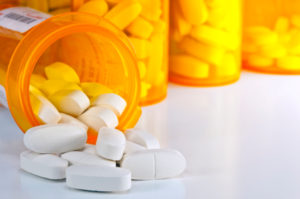 The purpose of the PDL is to save money – an estimated $85 million a year, according to the Pennsylvania Department of Human Services.
While physicians may submit requests to the state for exemptions for specific patients for specific purposes, those exemptions may be relatively uncommon: the managed care plans that serve the vast majority of the state’s Medicaid population face daily fines starting at $1000 a day if their adherence to the new PDL falls below 95 percent.
Learn more about Pennsylvania’s new Medicaid PDL and how it may affect providers and patients in the Philadelphia Inquirer article “Nearly 150,000 in Pa. could be forced to change medications beginning on Jan.1. Here’s why.”
 Included in this month’s edition are articles about:
 At last count, various parts of Congress were considering four major surprise medical bill proposals: one from the Senate Health, Education, Labor and Pensions Committee, one from the House Energy and Commerce Committee, one from the House Ways and Means Committee, and a compromise proposal from the Senate HELP and House Energy and Commerce committees. Some have been around for some time while one emerged only in the past week.
 Authorization for delaying the cut in allotments to the states, which would have resulted in reduced Medicaid DSH payments for many hospitals – including private safety-net hospitals – would expire on May 22. Congress is expected to address Medicaid DSH, along with surprise medical bills, the price of prescription drugs, and other health care matters, before that time.
 The Medicaid and CHIP Payment and Access Commission kicked off its December meeting with highlights from its forthcoming issue of MACStats: Medicaid and CHIP Data Book, due out December 18, 2019. MACStats brings together statistics on Medicaid and State Children’s Health Insurance Program (CHIP) enrollment and spending, federal matching rates, eligibility levels, and access to care measures, which come from multiple sources.
 Senate Bill 314, passed by the legislature and signed by Governor Wolf, establishes a new Rural Health Redesign Center Authority and Pennsylvania Rural Health Redesign Center fund that will seek to support the delivery of health care by rural hospitals in the state by, as a legislative co-sponsorship memo explained,
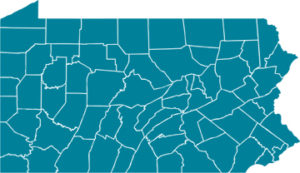 The shift away from using the federal exchange and developing a state-based exchange was approved by the state legislature earlier this year. That shift took a major step forward recently when the state hired a contractor to create the site’s platform.
 According to the bond rating agency, non-profit hospitals are seeing growing amounts of bad debt as they struggle, often unsuccessfully, to collect from patients whose high deductibles leave them on the hook for meaningful amounts of care.