
MA Bulletin Presents New PDL
Pennsylvania’s new Medicaid preferred drug list is presented in an October 10, 2019 state Medical Assistance Bulletin.
 The Department of Human Services bulletin outlines the purpose of the new PDL, provides background information, and describes how the PDL was developed and will work. In addition, it lists the past Medical Assistance Bulletins rendered obsolete by the new bulletin and describes the prior authorization procedures that will be employed when the new program takes effect on January 1, 2020.
Finally, the bulletin includes a comprehensive list of the prescription drugs on the new PDL.
See the October 10 PDL Medical Assistance Bulletin here.
 Included in this month’s edition are articles about:
 Earlier this year, the Department of Human Services announced its intention to implement a preferred drug list in the state’s Medicaid program. That PDL would apply to both the fee for service and managed care Medicaid programs.
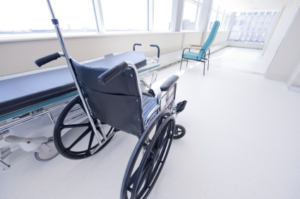 Today, Lyft is working with approximately 35 state Medicaid programs while Uber, at least so far, participates only in Arizona’s program.
 In the message, SNAP notes the important role Medicaid DSH payments play in helping private safety-net hospitals care for the many uninsured patients who continue to turn to them for care.
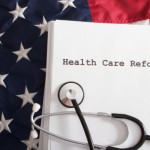 While observers warn that it is difficult to attempt to render a final verdict on the reform law’s insurance expansion and its impact, various studies and observations point to encouraging developments. Among them:
 As envisioned by the state, the current program, in which individual counties contract independently with transportation providers to serve their residents on Medicaid, was to be replaced by a regional approach in which the state contracts with three vendors to serve all of Pennsylvania. Objections by members of the state legislature and county officials, however, led to legislation that requires the Department of Human Services, Department of Transportation, and Department of Aging to study the implications of such a change for patients and taxpayers and to report their preliminary findings to the legislature in September.
 Miller conveyed what a news release described as